
The Definitive Global Journey of Coffee
From the ancient, misty highlands of Ethiopia to the bustling, mahogany-filled coffee houses of 17th-century London, coffee is more than just a morning ritual—it is a storied bridge between cultures. At The Coffee Guide, we trace the origins, the legends, and the meticulous craft behind every bean. Whether you are exploring the legacy of Kaldi, the travels of Baba Budan, or seeking the perfect modern brew, our mission is to provide the historical context and expert insight that transforms your daily cup into a world-class experience.

Sowing The Seeds of Coffee
“The lifecycle begins in the nursery, where selected seeds are germinated in controlled environments. Once moved to the plantation, these young trees require specific altitudes and nutrient-rich soil to develop the complex chemical precursors that will eventually define their flavor profile.”
The Coffee Harvest
Timing is the critical variable in the harvest. A coffee cherry transitions through various stages of ripeness; capturing the fruit at its peak sugar content is essential. Whether hand-picked for precision or harvested by scale, this stage dictates the clarity and acidity of the final cup

The Craft of Roasting
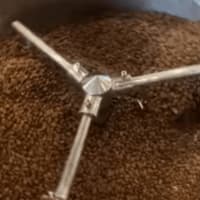
Processing and Roasting transform a raw agricultural product into a sensory experience. Through the application of heat, the ‘Maillard reaction’ occurs—a complex chemical dance that browns the beans and unlocks hundreds of aromatic compounds, from bright citrus to deep cocoa.
Inside the drum, the beans undergo a total transformation. From the first ‘crack’ to the final drop, the temperature is carefully monitored to ensure every note of chocolate and fruit is preserved.”
The Extraction
This is where it all leads.
True extraction is an alchemy of time and temperature. In the early London coffeehouses, this was less of a science and more of a ritual—using heavy, sand-filtered water and long steeping times to pull the deep, chocolatey oils from dark, ‘Old Brown’ roasts. Today, we balance that historical richness with modern precision to achieve a cup that is bold without being bitter.

The Brewing



Espresso (Modern Pressure)
High pressure extraction emphasises body, intensity, and crema, producing a concentrated expression of the bean
Pour Over (Manual precision)
Slow, controlled brewing highlights clarity, acidity, and origin-specific flavour notes.
French Press (Historical immersion)
Full immersion brewing delivers weight, texture, and the oils favoured in early coffee traditions.


Moka Pot (Stovetop intensity)
A stovetop classic that bridges espresso and filter, producing bold, aromatic coffee under steam pressure.
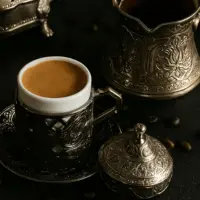
Turkish Ibrik (Ancient tradition)
Finely ground coffee simmered unfiltered, preserving
sediment, texture, and ritual.
AeroPress (Contemporary versatility)
A modern hybrid method offering flexibility across pressure, immersion, and filter-style extraction.


The Chemex
The Chemex is arguably the most beautiful piece of equipment in any coffee lover’s kitchen—it even sits in the Museum of Modern Art. For The Coffee Guide, it represents the “Gold Standard” for clarity.
Drip Filter
Before the electric drip filter machine, coffee was often “percolated”—a violent process that boiled the coffee repeatedly, resulting in a bitter, burnt taste.
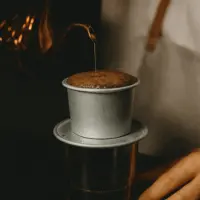
The Phin Filter
The Phin Filter is the heart of Vietnamese coffee culture.
It is a brilliant, low-tech crossover between a French Press and a Pour Over.
It doesn’t use paper filters, which means all those heavy oils and the Extreme caffeine content of the Vietnamese Robusta go straight into your cup