Uncategorized

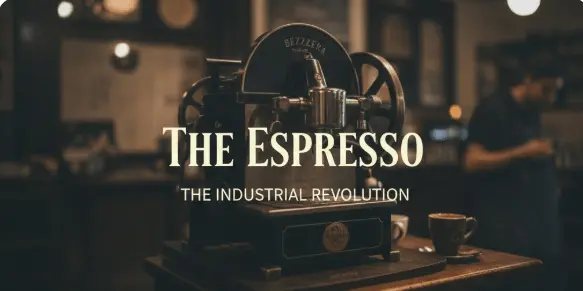
Vintage 1901 Bezzera espresso machine in a dark, moody Italian bar, featuring the title "The Espresso: The Industrial Revolution" in Antique Cream serif typography.

Espresso: The strange Fascinating Story of Pressure and Steam

In the bustling cafes of 17th-century London, a bowl of coffee was a leisurely affair, a catalyst for hours of debate and intellectual exchange. Fast forward two centuries, and the world was spinning faster.In the industrial heartland of Milan, a new kind of demand was brewing: coffee, but without the wait. This urgent need gave

Espresso: The strange Fascinating Story of Pressure and Steam Read More »

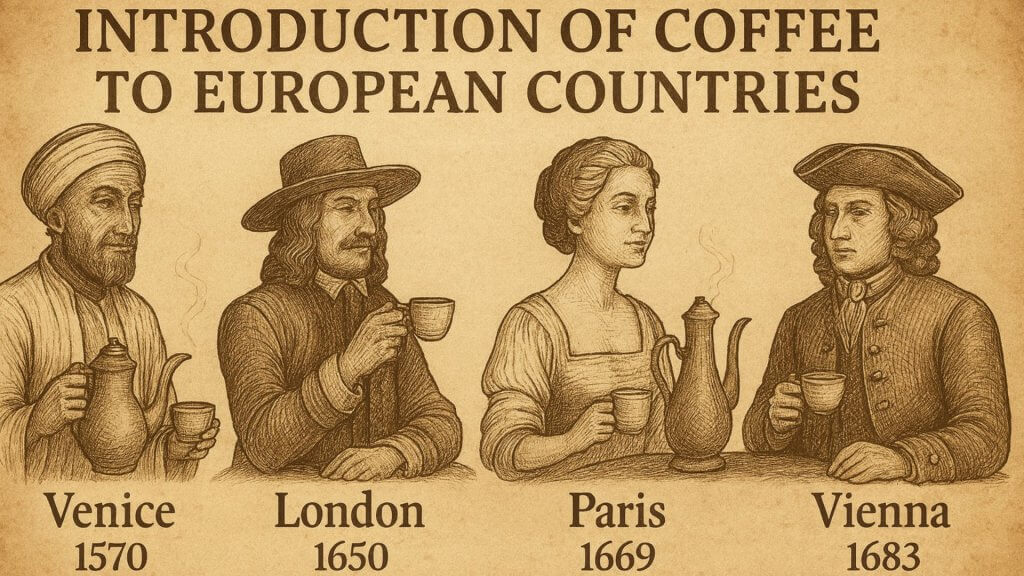
Trace the journey of coffee across Europe. From its arrival in Venice in 1570 to the bustling coffee houses of London, Paris, and Vienna."

The Full Monty of the European Coffee explosion

The European coffee culture began in the mid-17th century.The first “beans” arrived via the Mediterranean and the Ottoman Empire, with the first European coffeehouse opening in Venice in 1645. Originally an expensive, exotic drink for the elite, coffeehouses quickly became “penny universities” and vital social hubs for intellectual exchange, spreading rapidly from Italy to England, France,

The Full Monty of the European Coffee explosion Read More »

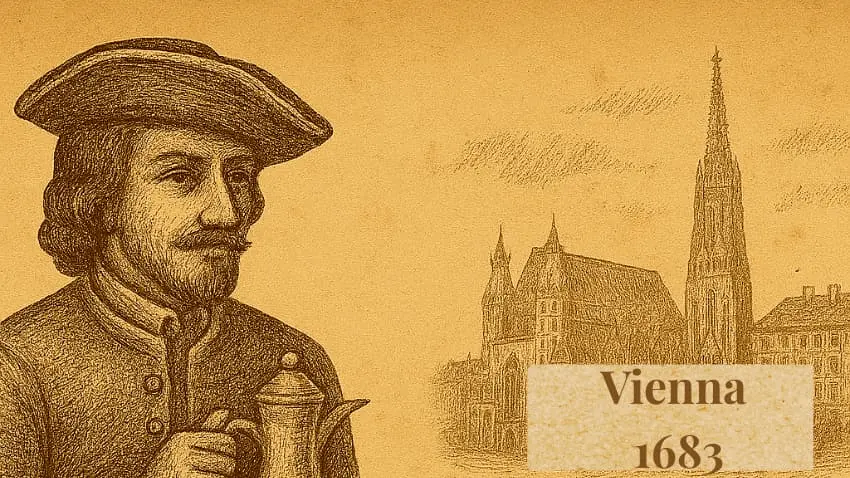
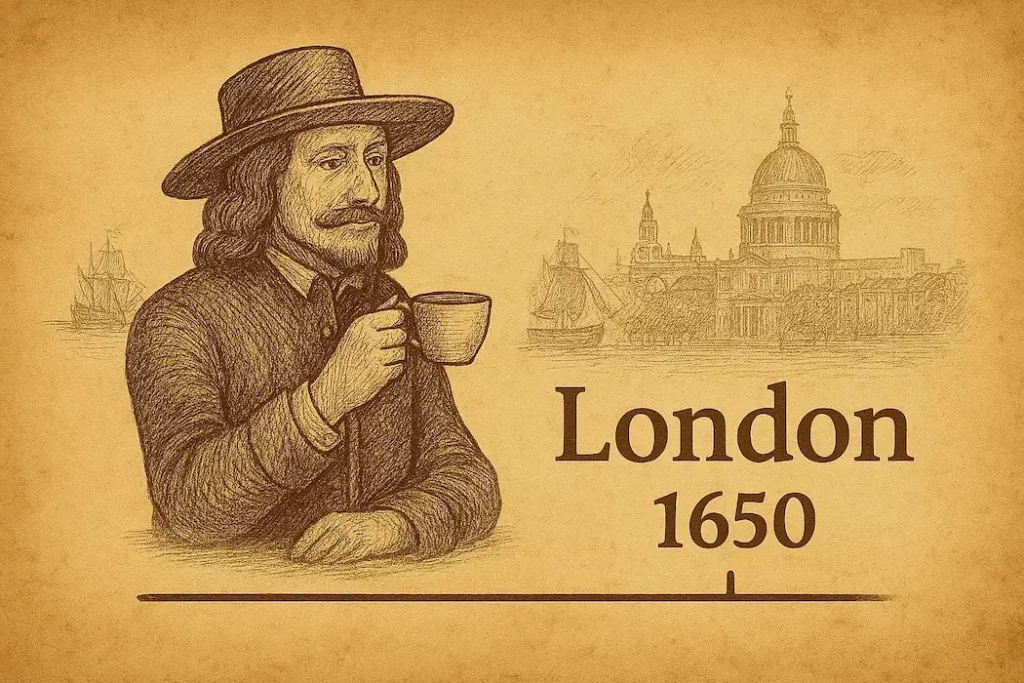
By 1650, the “black draught” had crossed the Channel, and in a small alleyway in Cornhill, London’s first coffee house opened its doors. But London didn’t just adopt coffee; it weaponized i

A Full Deep Dive Into The London Coffee Culture 1652–1675)

Sobriety & Business defines the London Coffee History The “Penny University” era This is how 17th-century London coffee houses fueled the Enlightenment and birthed the modern business world. 1650/1652: Oxford and Londonopen the first coffee houses in England. If Venice gave coffee a blessing, London gave it a job. This is where coffee moves from

A Full Deep Dive Into The London Coffee Culture 1652–1675) Read More »

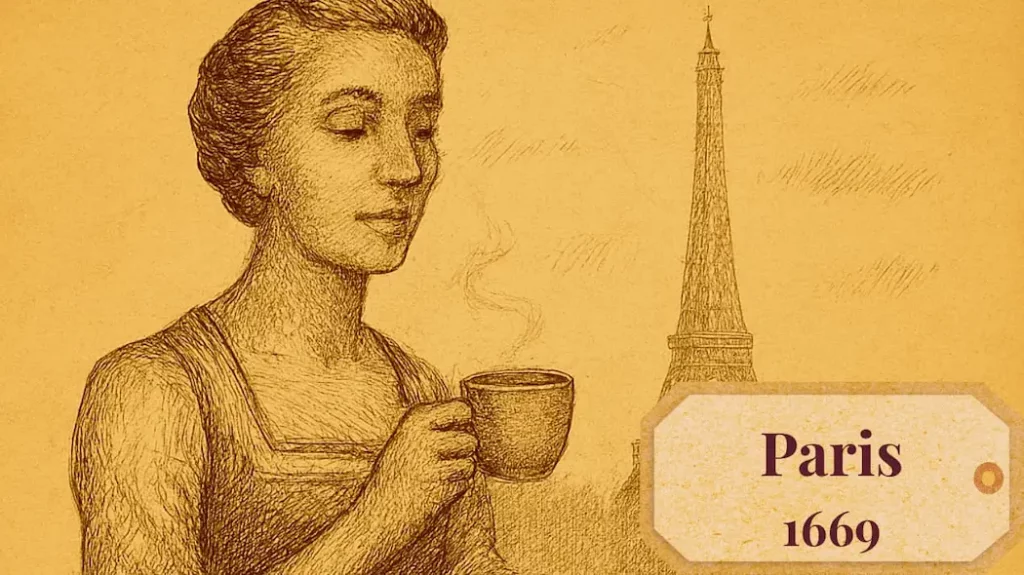
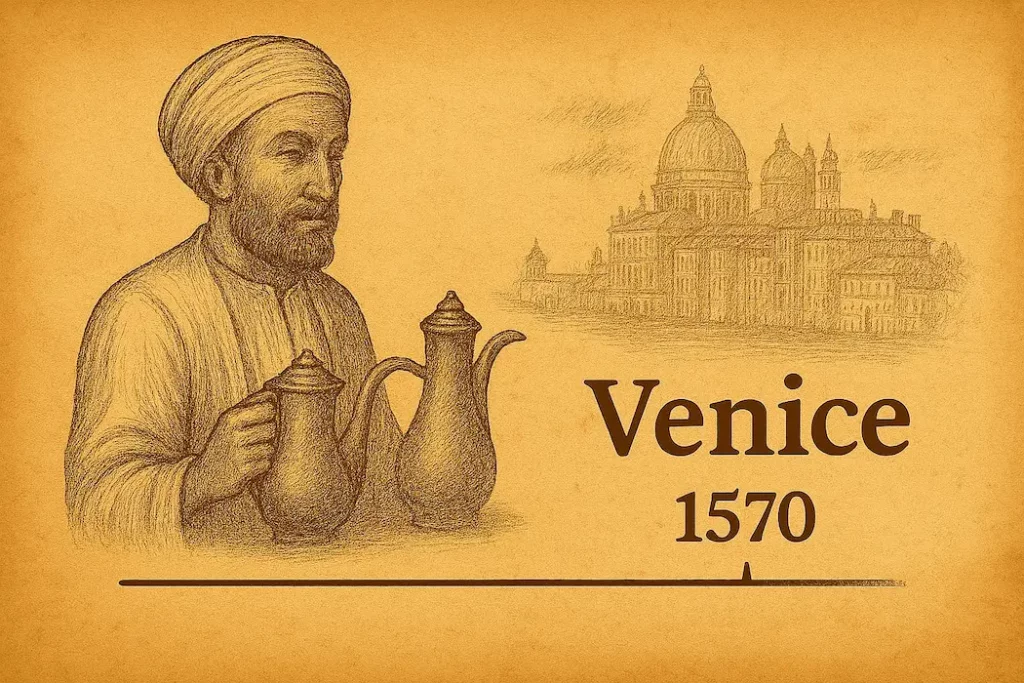
In 1570, through the bustling, salt-stained docks of the Venetian Republic, the first beans arrived—not as a beverage, but as a botanical curiosity. The Venice coffee culture had begun

See How Venice began the Coffee revolution (1570–1615)

From “Satan’s Drink” to the Pope’s blessing. Explore how Venice coffee merchants turned a mysterious medicine into Europe’s first luxury coffee ritual. If the Sufis in Yemen “invented” the drink, the Venetians “invented” the coffee for the European market. While the rest of Europe was still drinking ale for breakfast, Venice was eyeing the East.

See How Venice began the Coffee revolution (1570–1615) Read More »

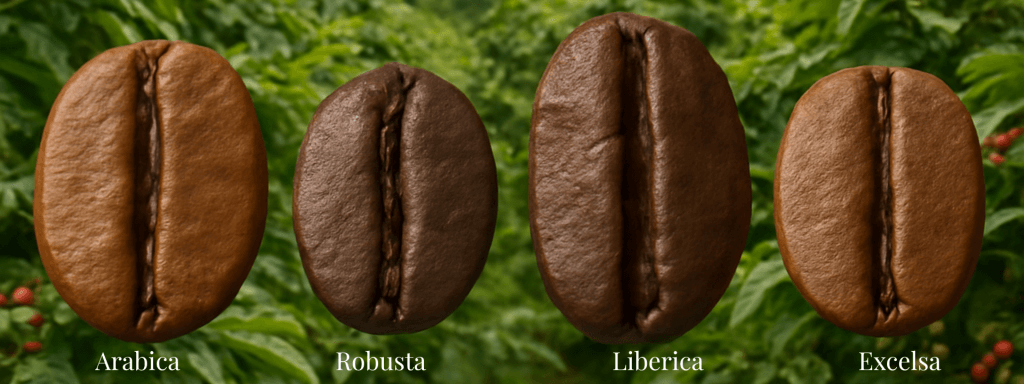
the four coffee bean varieties, Arabica, Robusta, Liberica, and Excelsa sitting on the background of a coffee platation

the Four Coffee Bean Species: A full Comprehensive Overview

The four primary coffee bean species are Arabica, Robusta, Liberica, and Excelsa. Although they all belong to the same botanical family, these beans vary dramatically in taste, growing conditions, and global presence. Arabica and Robusta dominate world production, yet the lesser‑known Liberica and Excelsa contribute important diversity, resilience, and cultural heritage to the wider coffee

the Four Coffee Bean Species: A full Comprehensive Overview Read More »

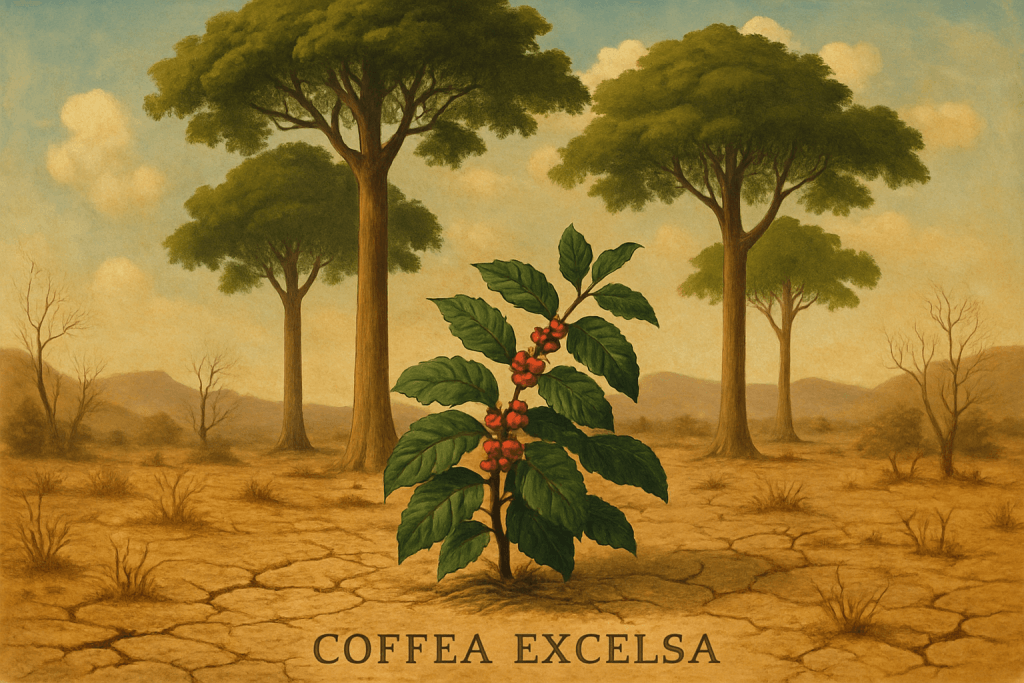
The coffee bean Exelsa growing in arid conditions under the canopy of talltrees

What Makes Excelsa Coffee Beans Unique in the Coffee World

Excelsa coffee (Coffea liberica var. dewevrei) occupies a fascinating place in the coffee world. Once classified as its own species, it is now considered a botanical variety of Liberica — yet its flavour identity is entirely distinct. Where Liberica is bold, smoky, and unconventional, Excelsa is bright, tart, and layered, offering a cup profile that

What Makes Excelsa Coffee Beans Unique in the Coffee World Read More »

Scroll to Top