

ETHIOPIA | The Ancestral Origin.
The Ethiopian Coffee Production does not merely grow coffee; it preserves its soul. Long before the bean was a global commodity, it grew wild in the shaded forests of the Kaffa highlands, undiscovered by the world but revered by the local tribes who first mixed it with fats for energy on long treks. To drink a cup of Ethiopian coffee is to return to the very source of the world’s most significant ritual.
Ethiopian Coffee Production at a Glance
Country: Ethiopia


World Ranking
5

Annual Production
11,6 mil
60kgm Bags

Average Altitude
1300-2000 m
Flavour Profile: Jasmine, Bergamot
Caffeine Strength of Bean Produced Low ⚡ Medium⚡⚡ High⚡⚡⚡ Extreme ⚡⚡⚡⚡
| Main Variety | Arabica ⚡⚡ |
| Harvest Season | November-February |
| World Export Share | 4,7% |
| Region | Yirgacheffe, Harrar |
| Fun Fact | Where it all started with Dancing Goats |
The History of Ethiopian Coffee
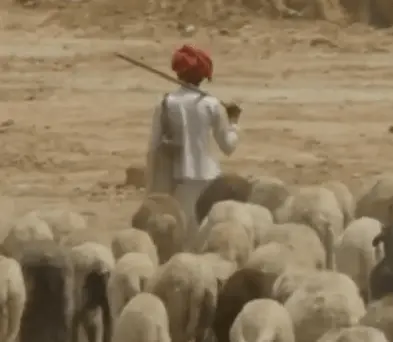
The history of Ethiopian coffee production is a blend of myth and archaeology. While the charming legend tells of Kaldi, a young goat herder who noticed his flock “dancing” after eating red berries, the reality is even more fascinating. By the 1500s, coffee had moved from a wild forest snack to a serious crop, flowing across the Red Sea into Yemen and eventually into the coffee houses of London that we study today..
Unlike any other origin, Ethiopia is the only place on Earth where coffee is indigenous. While the rest of the world relies on seeds that were “carried” elsewhere, Ethiopia’s “Heirloom” varieties have evolved naturally over millennia, resulting in a genetic diversity that is unrivaled in the specialty market.
Ethiopian Coffee Production & Profile
In the modern era, Ethiopia remains a “Garden Coffee” producer. Most beans are grown on small family plots (shamba) rather than massive industrial plantations. This traditional, low-intervention approach is what allows the delicate, tea-like clarity of the Yirgacheffe region or the jammy, wine-like body of Harrar to remain consistent year after year.
When you brew an Ethiopian bean, you are looking for acidity, but not the sour kind. You are looking for a “shimmering” brightness—a clean, floral finish that reminds one more of an Earl Grey tea than a traditional heavy roast. It is the sophisticated choice for those who appreciate the “academic” side of coffee.
How to Enjoy: Ethiopian Coffee
The Vibe: “The Floral Tea Party” Ethiopia is where coffee began, and it tastes like it. It is light, elegant, and sophisticated. Drinking a high-quality Ethiopian coffee feels less like “drinking bean juice” and more like drinking a complex Earl Grey tea infused with flowers.
Best Method: Pour Over (V60). You want to use a paper filter to strip away the oils so the delicate floral aromas can float to the top.
The Tasting Experience: Expect a “perfume” aroma. You’ll taste Jasmine, Bergamot (citrus), and Lemongrass. It is light-bodied and very refreshing.

The “The Coffee Guide” Pro Tip:
Never, ever add milk to a light-roast Ethiopian. The acidity will often make the milk taste slightly sour, and the dairy will completely drown out the delicate floral notes you paid for.