
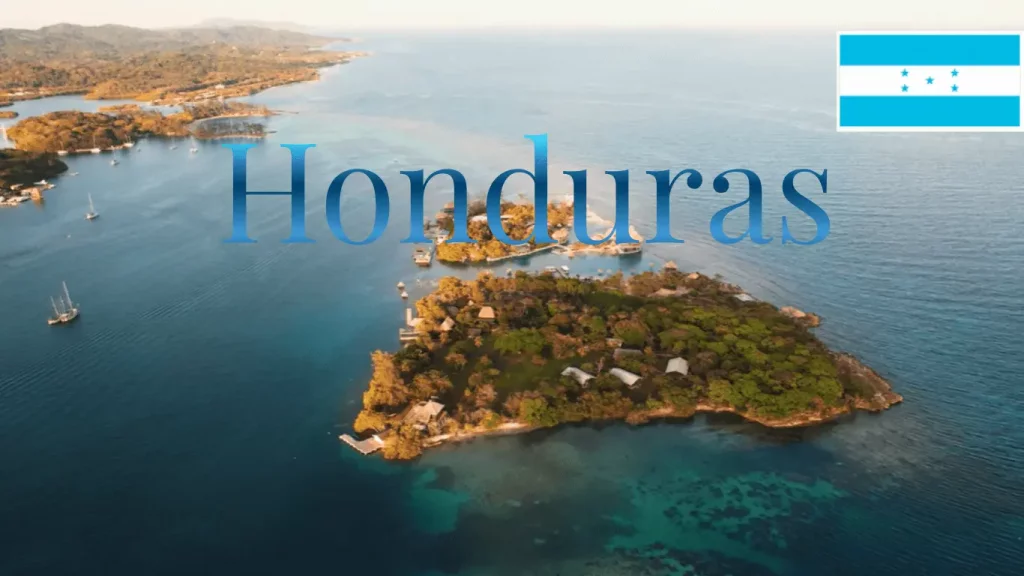
Honduras | The High-Altitude Rising Star
Honduras Coffee has recently overtaken many of its neighbors to become the powerhouse of Central America.
The Honduras Coffee Production at a Glance
Country: Honduras


World Ranking
8

Annual Production
5 mil
60kgm Bags

Average Altitude
1100m– 1600m
Flavour Profile: Tropical Fruit, Dark Chocolate, Cane Sugar
Caffeine Strength of Bean Produced Low ⚡ Medium⚡⚡ High⚡⚡⚡ Extreme ⚡⚡⚡⚡
| Main Variety | Arabica ⚡⚡ |
| Harvest Season | November – April |
| World Export Share | 3.19% |
| Region | Karnataka, Kerala, & Tamil Nadu |
| Body | silky” texture that feels very smooth on the tongue |
The History: The Quiet Revolution of Honduras Coffee
For decades, Honduras was the “overlooked” neighbor of Guatemala and El Salvador. Much of its high-quality coffee was actually smuggled across borders and sold as if it came from other countries.
However, in the late 1990s and early 2000s, the Honduran government made a massive push to brand their own coffee. They focused on infrastructure and quality control. The result? Honduras is now the largest producer in Central America and the 7th or 8th largest in the world. It has transitioned from a “filler” coffee to a world-class specialty origin.
The Science: The Cloud Forest Terroir
Honduras has some of the highest average growing altitudes in the region. Many farms sit within “Cloud Forests,” where the constant mist and cool temperatures force the coffee cherries to ripen very slowly.
The Flavor: While it shares the “chocolate” notes of its neighbors, a true Honduran cup often has a surprising tropical fruit acidity—think mango or apricot—that you don’t usually find in Central American beans.
The Species: Honduras is almost exclusively Arabica. They focus heavily on traditional varieties like Bourbon, Caturra, and Lempira.
How to Enjoy: The Versatile Brew
Best Method: Drip Filter or French Press. Its balance makes it very forgiving; it’s hard to make a “bad” cup of Honduran coffee.
Alternative: It makes an incredibly balanced, sweet Espresso that doesn’t overwhelm the palate with bitterness.

The “Stained” Hands
“Honduran coffee is almost entirely grown on small, family-owned farms (fincas) rather than massive industrial estates. When you buy a Honduran single-origin, you are usually supporting a specific community. In the 17th century, this ‘traceability’ was impossible—coffee was just a dark commodity. Today, it is a direct link to a specific hillside in Copán.”