
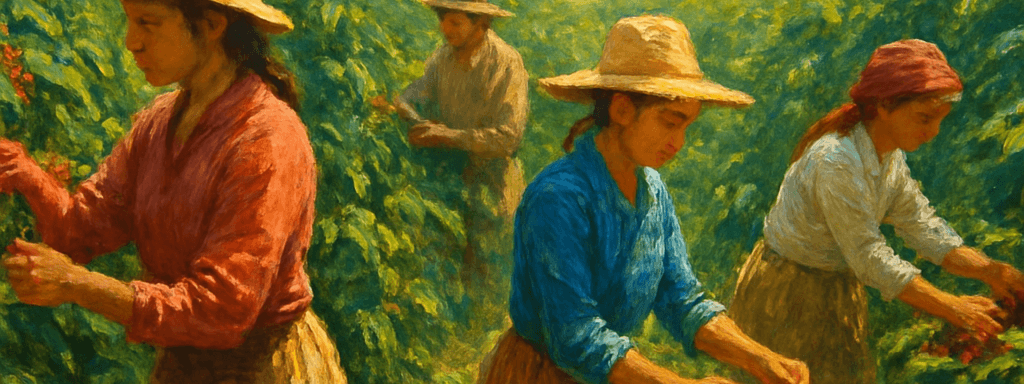
Harvesting is the moment when years of quiet growth finally reveal their purpose.
After seasons of nurturing, pruning, and adapting to the landscape, the coffee plant offers its fruit — cherries that hold within them the flavours shaped by soil, altitude, climate, and time.
This stage is not simply the act of picking; it is the culmination of everything that has come before.
Therefore and the decisions made here carry as much weight as those made at sowing or growing.
The Picking
Coffee cherries do not ripen all at once. Even on a single branch, you may find deep red cherries beside green, unripe ones.
This uneven ripening is part of the plant’s natural rhythm, and it demands a careful, attentive approach.
For this reason, selective picking becomes essential
In many regions, harvesting is done by hand, allowing pickers to select only the ripe cherries in multiple passes over several weeks.
This selective picking preserves quality, ensuring that only cherries at their peak sweetness are gathered.
It is slow, skilled work, guided by experience and an intimate understanding of the plant.
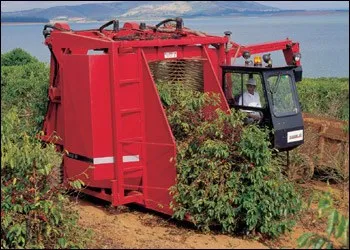
In other regions, especially where Robusta is grown or where terrain allows, strip picking or mechanical harvesting may be used.
These methods gather cherries more quickly, collecting ripe and unripe fruit together.
While efficient however, they require additional sorting later to separate the best cherries from the rest.
Each method reflects the landscape, the variety, and the goals of the farm — a balance between labour, time, and desired quality.
Processing
Once cherries are harvested, the clock begins to tick.
Fresh fruit is delicate, and the way it is handled in the hours that follow has a profound effect on flavour.
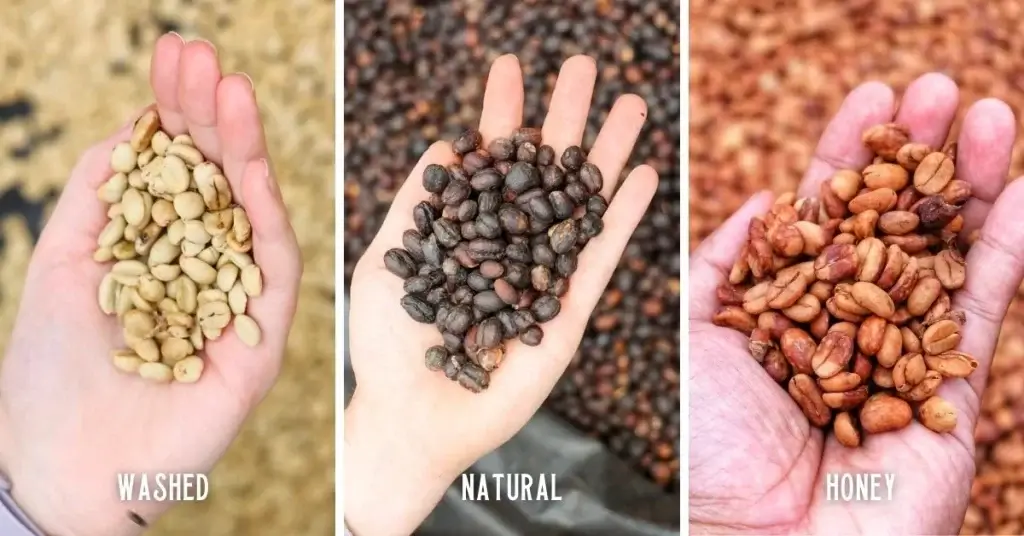
Consequently, processing must begin quickly.
Cherries may be processed using washed, natural, or honey methods, each shaping the bean’s character in different ways.
Washed coffees tend to be clean and bright; natural coffees carry deeper fruit notes; honey-processed coffees sit somewhere in between, with sweetness and clarity intertwined.
These choices are part of the artistry of coffee, extending the influence of the farmer beyond the field and into the cup.
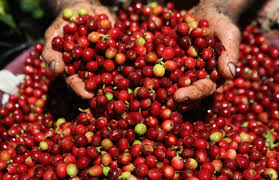
Harvesting is also a moment of celebration.
It marks the end of a long cycle and the beginning of another. Farmers see the results of their care, their decisions, and the environment’s influence.
The cherries gathered today carry the memory of the year’s weather, the richness of the soil, the altitude’s cool nights, and the hands that tended the plants.
Each harvest is unique, shaped by the subtle shifts of nature and the steady work of those who cultivate the land.
As the cherries leave the farm to be processed, dried, and eventually roasted, the cultivation chapter closes.
But the story of the coffee bean continues — through processing, roasting, brewing, and finally, the cup.

Harvesting is the bridge between the plant’s life and the drink we know, the moment where the quiet work of nature becomes something we can taste.