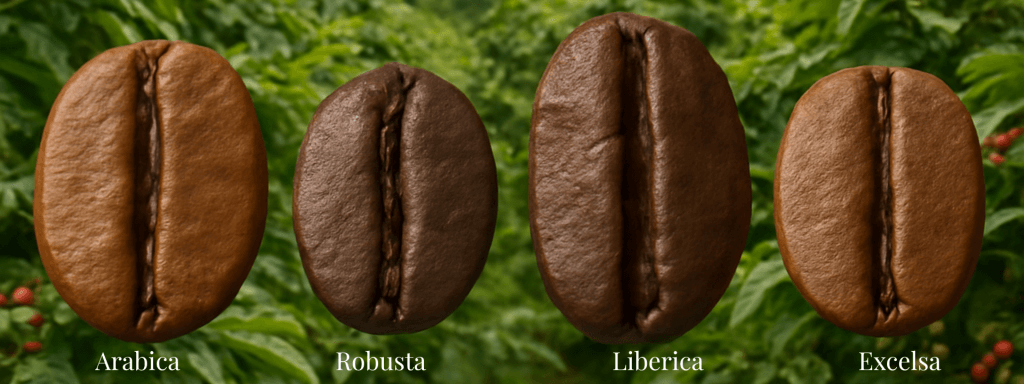
The four primary coffee bean species are Arabica, Robusta, Liberica, and Excelsa.
Although they all belong to the same botanical family, these beans vary dramatically in taste, growing conditions, and global presence.
Arabica and Robusta dominate world production, yet the lesser‑known Liberica and Excelsa contribute important diversity, resilience, and cultural heritage to the wider coffee landscape.
Together, these four species form the foundation of the coffee world.
Each one is shaped by its own landscape, climate, and history, and each expresses flavour in a different way.
As a result, coffees from different regions taste so distinct not only because of altitude or soil, but because the species itself influences everything from aroma to acidity.
Understanding these species gives us a clearer picture of how coffee evolves from plant to cup.
In many cases, the species determines the structure of the flavour long before processing or roasting begins.
Below is an introduction to the four commercially significant species.
Each one has its own story, its own growing conditions, and its own place in the global coffee narrative.
Arabica — The Sweet, Aromatic, and Delicate Coffee Bean
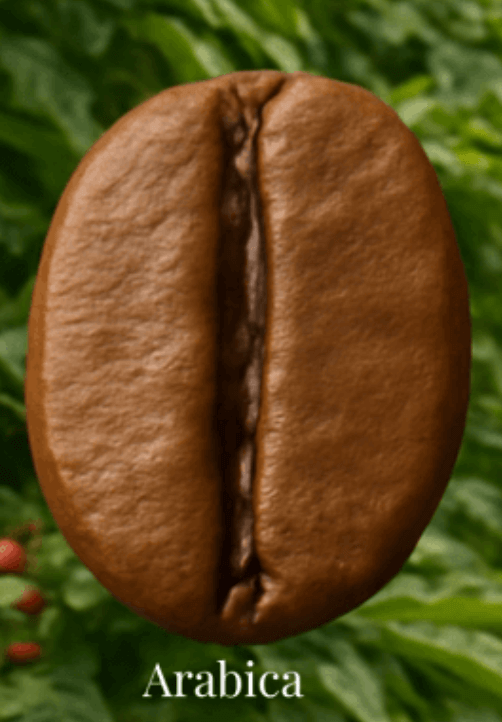
Arabica is the world’s most celebrated species, known for its complexity, bright acidity, and refined sweetness.
It thrives at higher altitudes and develops slowly, which allows more nuanced flavours to form. Learn more in Arabica — The most cultivated coffee Bean world wide
Robusta — The Strong, Resilient, and Bold Coffee Bean
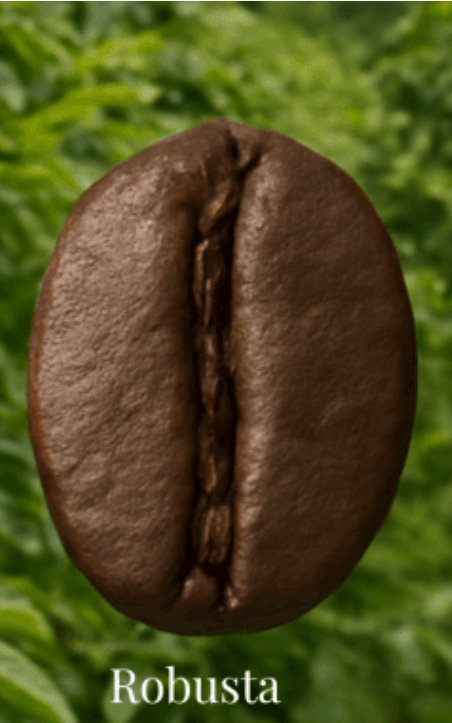
Robusta grows where Arabica cannot, flourishing in hotter, more humid environments.
Its high caffeine content makes it naturally resistant to pests, and its flavour is powerful, earthy, and full‑bodied.
Explore this species in Why is Robusta Coffee Popular in Espresso Blends
Liberica — The Smoky, Floral, and Unconventional Coffee Bean
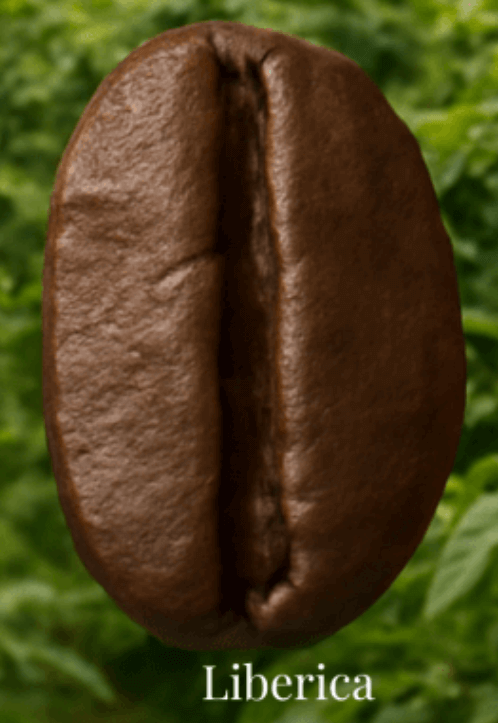
Liberica offers a distinctive, sometimes polarising flavour profile rooted in Southeast Asian tradition.
Its beans are large and irregular, and its cup profile ranges from smoky and woody to surprisingly floral. Read more in What Makes Liberica Coffee Unique Compared to the Other Varieties.
Excelsa — The Tart, Fruity, and Complex Coffee Bean
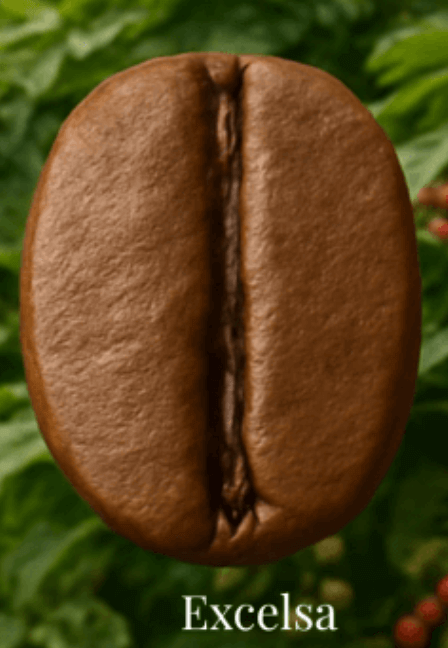
Excelsa, once considered its own species, is now classified as a variety of Liberica.
Even so, it brings a flavour identity that is entirely unique: tart, fruity, layered, and often wine‑like. Discover more in What Makes Excelsa Coffee Beans Unique in the Coffee World
How Species Influence Flavour
Although processing and roasting shape the final cup, the species sets the foundation.
- Arabica tends to be bright, sweet, and aromatic.
- Robusta contributes strength, bitterness, and crema.
- Liberica brings bold, smoky depth and floral aromatics.
- Excelsa adds acidity, fruitiness, and complexity.
Because of this, blends often rely on multiple species to achieve balance, while single‑origin coffees highlight the pure expression of one species in its native environment.
Comparison at a Glance
| Species | Typical Altitude | Flavour Profile | Caffeine Level | Global Presence |
|---|---|---|---|---|
| Arabica | High | Sweet, floral, bright | Low | Dominant |
| Robusta | Low | Strong, earthy, bitter | High | Widespread |
| Liberica | Lowland tropics | Smoky, woody, floral | Medium | Limited |
| Excelsa | Mid–high canopy | Tart, fruity, complex | Medium | Rare |
Why Species Matter
Each species expresses the landscape differently. Altitude, climate, and soil shape the plant, but the species determines how those influences appear in the cup. For this reason, understanding the four species deepens our appreciation for the diversity of coffee and highlights the choices farmers make long before the bean reaches the roaster.