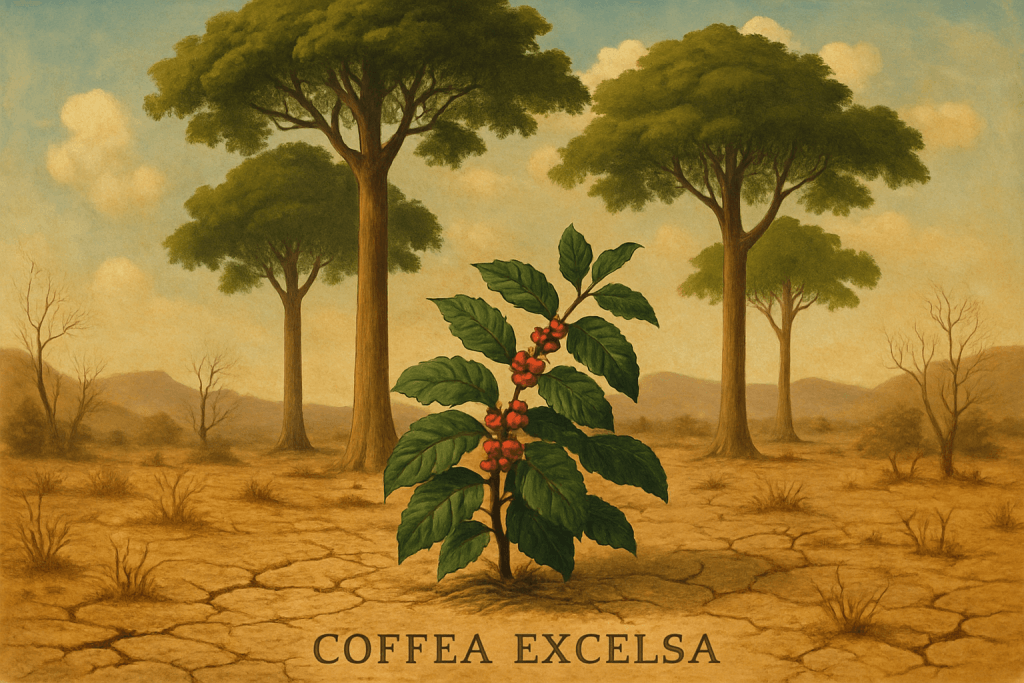
Excelsa coffee (Coffea liberica var. dewevrei) occupies a fascinating place in the coffee world.
Once classified as its own species, it is now considered a botanical variety of Liberica — yet its flavour identity is entirely distinct.
Where Liberica is bold, smoky, and unconventional, Excelsa is bright, tart, and layered, offering a cup profile that feels almost like a bridge between Arabica’s acidity and Liberica’s depth.
Although it represents only a tiny fraction of global production, Excelsa has gained a quiet but passionate following among coffee drinkers who seek complexity and fruit‑forward character.
Its unique flavour, combined with its resilience in challenging climates, makes it an important contributor to the diversity of modern coffee.
Origin & History of The Excelsa Coffee Bean
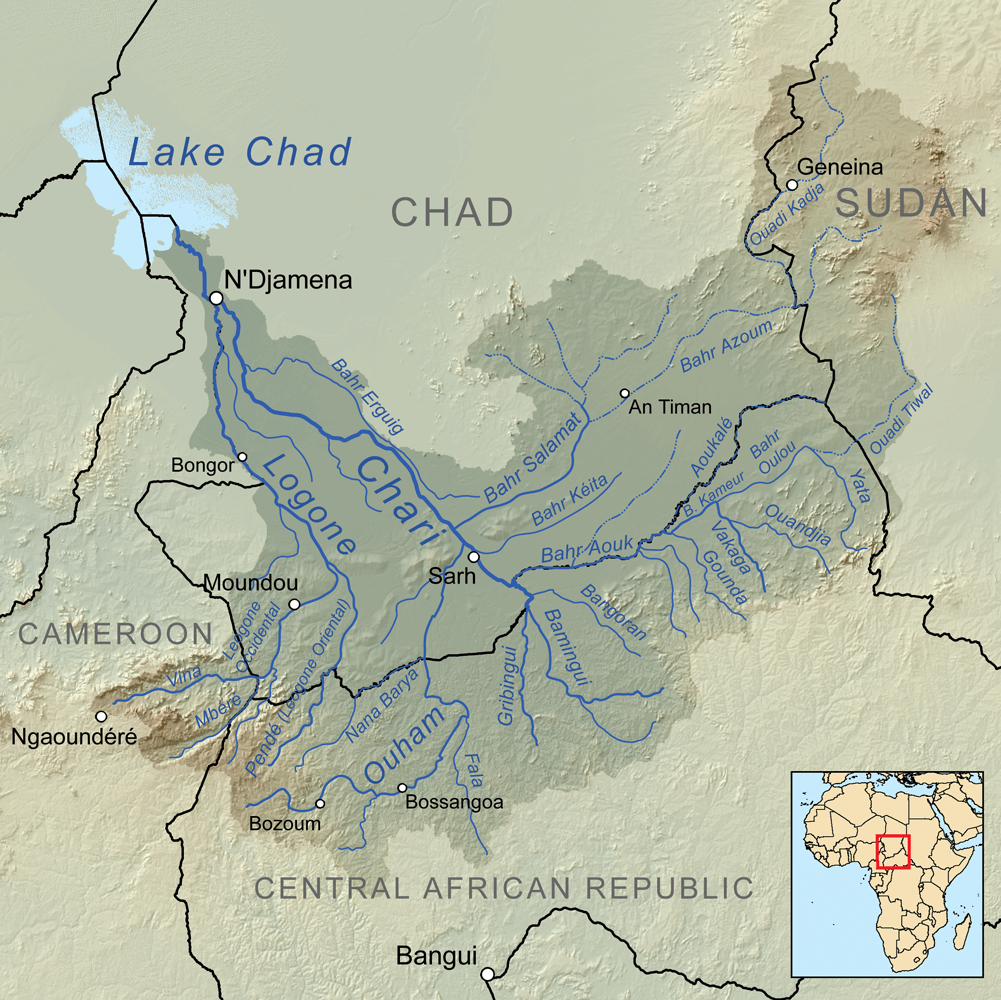
The bean originated in Central Africa, particularly in regions around Lake Chad.
It grew wild in semi‑arid environments and was first identified in the early 20th century.
Like Liberica, it was introduced to Southeast Asia during periods when farmers sought hardier alternatives to Arabica.
Over time, Excelsa found a natural home in countries such as Vietnam, the Philippines, and parts of Indonesia.
Although still rare on the global market, it is increasingly recognised for its potential in specialty blends and experimental processing.
Growing Conditions of The Excelsa Coffee Bean
Excelsa thrives in environments that many other coffee species struggle to tolerate. It prefers:
- Semi‑arid environments with irregular rainfall
- High‑canopy shade, often growing beneath taller trees
- Tall, tree‑like growth structures similar to Liberica
- Warm, tropical climates with seasonal variation
These conditions allow Excelsa to develop slowly, concentrating acidity and aromatic compounds.
Its ability to grow in marginal or drought‑prone areas makes it a valuable species for regions facing climate stress.
Botanical Traits
Excelsa’s physical characteristics set it apart from both Arabica and Robusta:
- Teardrop‑shaped beans, often elongated and pointed
- Hardy and drought‑resistant, capable of surviving in challenging climates
- Tall growth habit, similar to Liberica
- High aromatic potential, even before roasting
These traits contribute to its distinctive flavour and make it a useful species for maintaining biodiversity within coffee agriculture.
Flavour Profile
Excelsa is celebrated for its bright, fruit‑driven character.
Its flavour often surprises drinkers who expect something similar to Liberica, only to discover a cup that is far more vibrant and layered.
Common tasting notes include:
- Tart, fruity acidity, often reminiscent of tamarind or dark berries
- Wine‑like notes, with a slightly fermented or juicy quality
- Aromatic complexity, ranging from floral to spicy
- Light to medium body, with a clean, lingering finish
Because of its complexity, Excelsa is frequently used to add depth and brightness to blends, though it also shines as a single‑origin offering for those who appreciate its unique profile.
Cultural & Commercial Significance
Excelsa plays a modest but meaningful role in Southeast Asian coffee culture.
In Vietnam and the Philippines, it is often grown alongside Liberica and incorporated into regional blends that highlight local flavour traditions.
Its resilience makes it a valuable crop for farmers working in areas with limited water or inconsistent rainfall.
In the specialty world, Excelsa is gaining attention as roasters and consumers seek new flavour experiences beyond the familiar boundaries of Arabica and Robusta.
Its rarity and expressive character make it a species worth exploring for anyone interested in the full spectrum of coffee diversity.
Further Reading
Compare with Liberica
Return to Coffee Species Overview