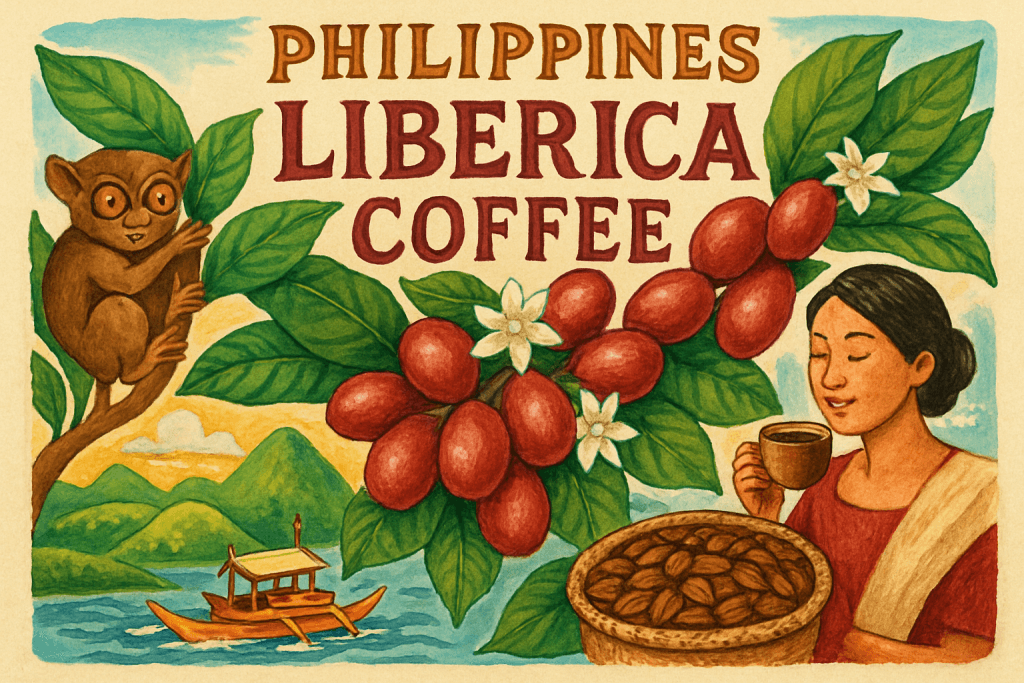
Liberica coffee (Coffea liberica) is one of the most distinctive and unconventional species in the coffee world.
Known for its bold, sometimes polarising flavour, it offers a sensory experience unlike any other coffee. Its character is shaped by its unusual bean structure, towering tree‑like growth, and deep cultural roots in Southeast Asia.
For many coffee drinkers, Liberica sits outside the familiar spectrum of Arabica and Robusta — and that is precisely what makes it so compelling.
In regions such as the Philippines and Malaysia, this bean is more than a crop; it is a cultural emblem.
Locally known as Barako in the Philippines, it carries a sense of heritage and identity, often associated with strength, tradition, and regional pride.
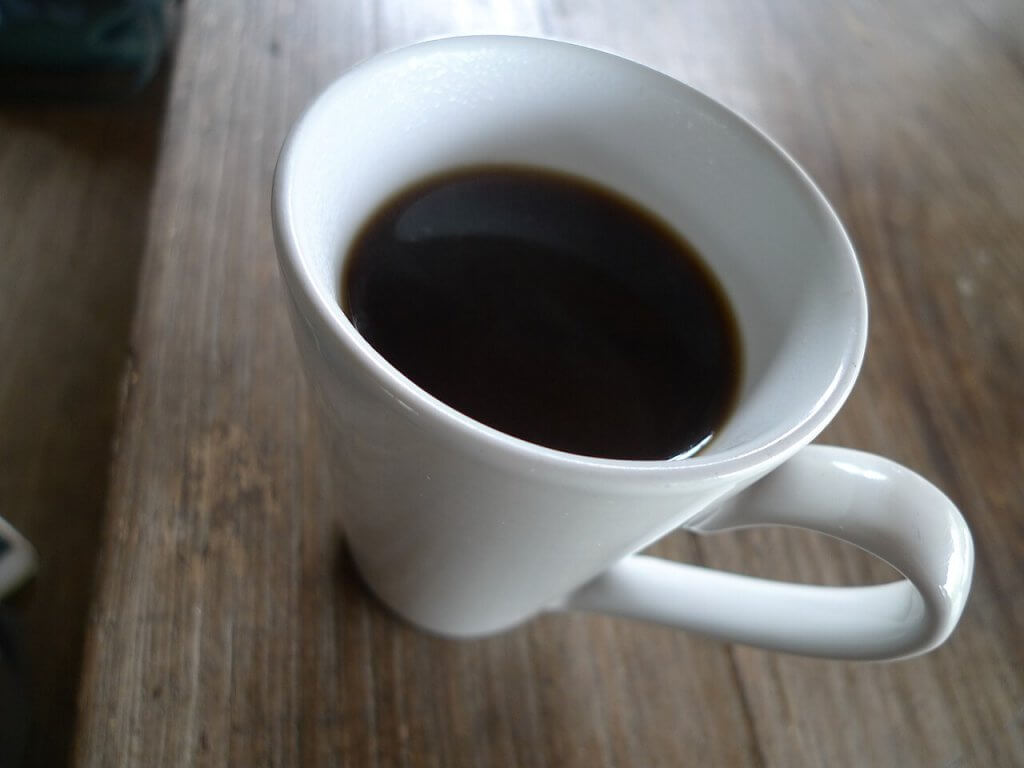
Its flavour profile — smoky, woody, floral, and lingering — reflects the landscapes and histories that shaped it.
Origin & History of the Liberica Coffee Bean
Liberica is native to the lowland forests of West Africa, particularly in areas of modern‑day Liberia, Sierra Leone, and Côte d’Ivoire.
It remained relatively obscure until the late 19th century, when a devastating outbreak of coffee leaf rust (Hemileia vastatrix)swept across Asia and wiped out vast Arabica plantations.
Because Liberica showed natural resistance to the disease, it was introduced as a replacement crop in several regions.
This shift brought the bean to Southeast Asia, where it found a new home in the Philippines, Malaysia, and parts of Indonesia.
Over time, it became woven into local coffee traditions, especially in the Philippines, where it developed a strong cultural identity and remains a cherished part of the national coffee story.
Although Liberica never achieved the global dominance of Arabica or Robusta, it has maintained a loyal following and is now experiencing renewed interest among specialty coffee enthusiasts seeking unique and expressive flavours.
Growing Conditions of the Liberica Plant
Liberica thrives in environments that differ significantly from those preferred by Arabica. It grows best in:
- Lowland tropical climates
- Hot, humid environments
- Regions with abundant rainfall
- Tall, tree‑like growth structures, often reaching 15–20 metres
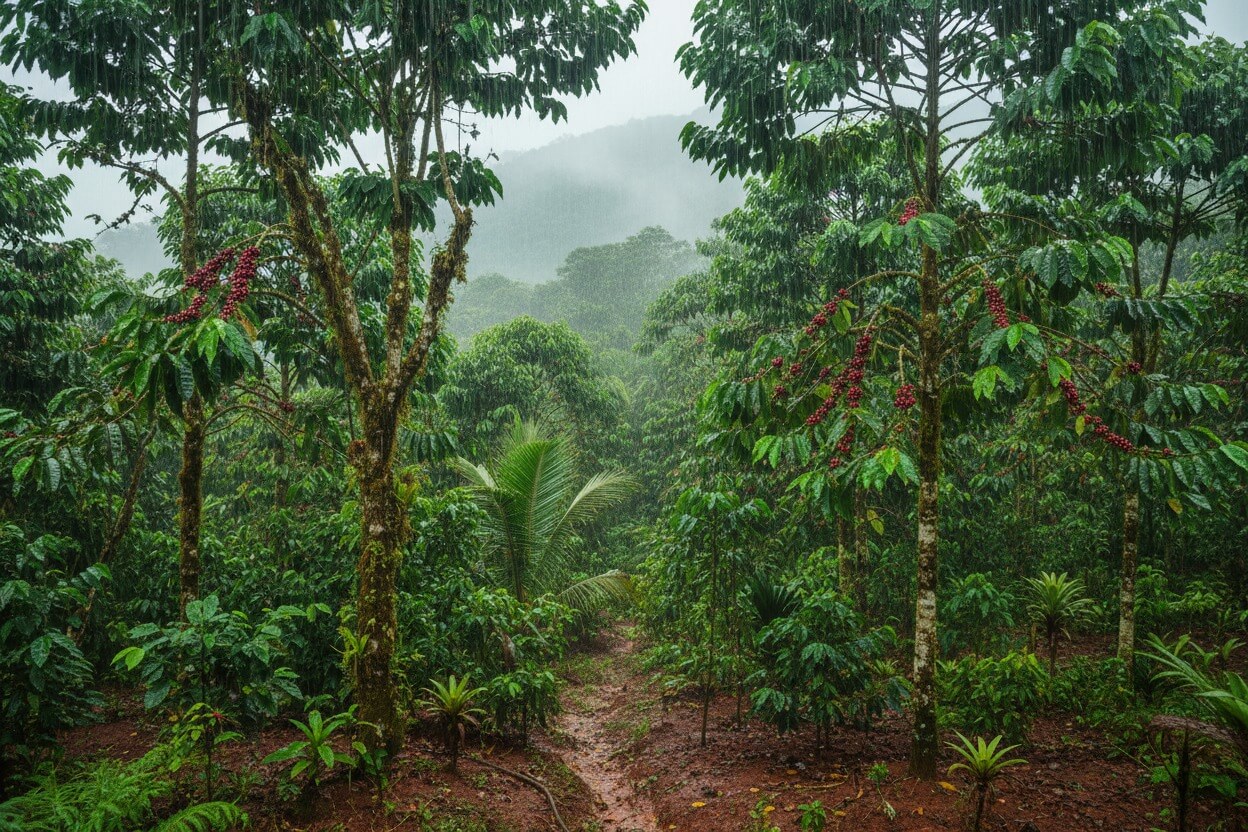
These towering trees make harvesting more challenging, which contributes to Liberica’s rarity and higher labour demands.
However, the species’ natural resilience allows it to flourish in conditions that would overwhelm more delicate varieties.
Its ability to grow in lowland areas also makes it an important crop for regions where high‑altitude farming is not possible.
Botanical Traits
Liberica’s physical characteristics are striking and easily recognisable:
- Large, asymmetrical beans with an almond‑like shape
- Strong, floral aroma even before roasting
- Naturally disease‑resistant, especially against leaf rust
- Tall, tree‑like growth, unlike the shrub‑like structure of Arabica and Robusta
The size and shape of the beans contribute to this bean’s unusual flavour profile, while its resilience makes it a valuable species for farmers facing climate or disease pressures.
Flavour Profile
Liberica’s flavour is bold, expressive, and often described as “wild.” It sits outside the familiar flavour spectrum of Arabica and Robusta, offering a cup that is both surprising and memorable.
Common characteristics include:
- Smoky or woody notes
- Floral aromatics, sometimes reminiscent of magnolia or jackfruit
- A bold, lingering finish
- Low acidity with a heavy, resonant body
Because of its intensity, it can be polarising — some drinkers find it captivating, while others find it too unconventional.
Yet for those who appreciate its depth and character, Liberica offers a flavour experience unmatched by any other species.
Cultural & Commercial Significance
In Southeast Asia, Liberica holds a unique cultural position.
In the Philippines, Kapeng Barako is a symbol of heritage and strength, often associated with traditional brewing methods and local identity.
In Malaysia and parts of Indonesia, Liberica contributes to regional blends and local café culture.
Although it represents a small share of global production, Liberica plays an important role in preserving biodiversity within the coffee industry.
Its disease resistance and adaptability make it a valuable species for future agricultural resilience.
Further Reading
Explore Excelsa
Return to Coffee Species Overview