
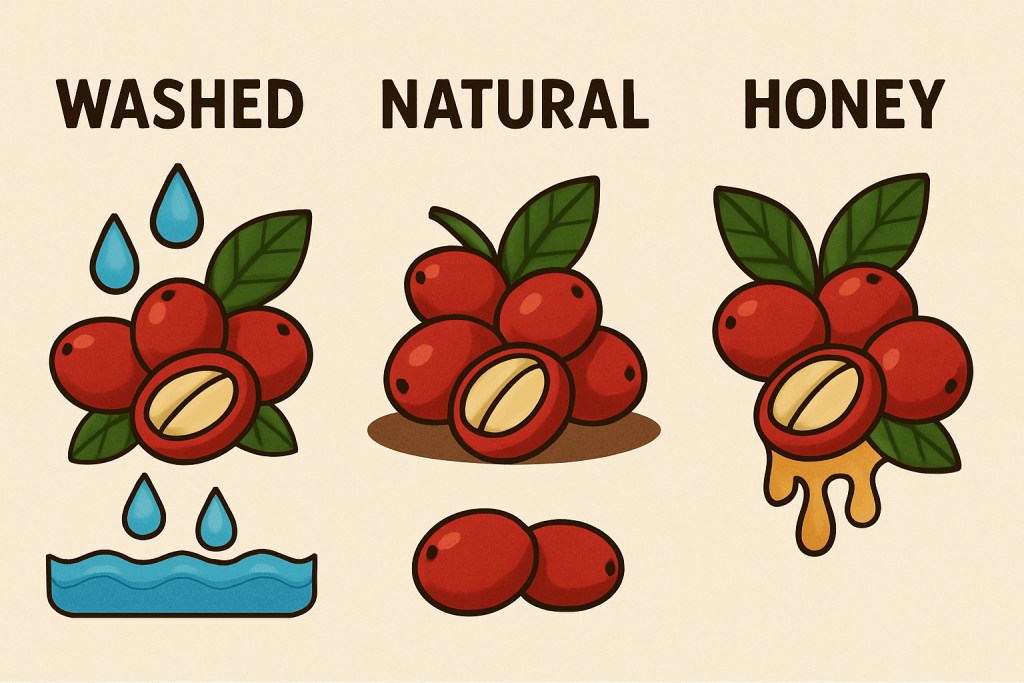
While there isn’t one “Best” processing method, it’s dependent on a combination of environment, resources, tradition, and market goals.
Coffee processing methods are determined by Climate, Water availability, Infrastructure, Tradition, and the intended Flavour profile for the market.
1️⃣ Climate (the biggest factor)
This is the primary driver.
Processing requires controlled drying. Climate dictates what is realistically possible.
Dry climates
- Low humidity
- Consistent sunshine
➡️ Natural / Dry processing is viable and reliable
Examples:
Humid or wet climates
- High rainfall
- Slow drying
- Risk of mould
➡️ Washed processing or wet-hulled is safer
Examples:
Without washing, beans may spoil before they dry properly.
2️⃣ Water availability
Washed processing requires:
- Clean water
- Large volumes
- Infrastructure to manage wastewater
Water-rich regions
➡️ Washed processing is practical
Water-scarce regions
➡️ Natural or honey processing is favoured
This is why some regions historically avoided washed methods despite market demand.
3️⃣ Infrastructure & technology
Processing choices depend on access to:
- Pulping machines
- Fermentation tanks
- Raised drying beds
- Mechanical dryers
- Storage facilities
Smallholders may rely on:
- Sun drying
- Manual pulping
- Local mills
While larger estates can:
- Experiment
- Control fermentation
- Offer multiple processing styles
4️⃣ Cultural tradition & history
Processing methods are often inherited practices.
Examples:
- Ethiopia’s long tradition of natural processing
- Indonesia’s wet-hulled method evolved specifically for local conditions
- Central America’s historic emphasis on washed coffees for export
Tradition influences:
- Skills
- Equipment
- Local expectations of flavour
5️⃣ Market demand & price incentives
Processing is increasingly driven by who the coffee is being sold to.
- Commodity markets favour consistency
- Specialty markets reward flavour distinction
- Experimental methods command higher prices
Producers may choose:
- Washed for reliability
- Natural or anaerobic for differentiation
- Multiple methods from the same harvest
6️⃣ Coffee variety (secondary but important)
Some varieties:
- Handle long fermentation better
- Express fruit flavours more clearly
- Are more prone to defects
Producers adjust processing to suit:
- Seed density
- Sugar content
- Bean structure
7️⃣ Risk tolerance
Processing always carries risk.
- Natural processing = higher defect risk
- Anaerobic fermentation = higher technical risk
- Washed processing = more predictable but resource-heavy
Producers choose methods based on:
- Experience
- Financial safety
- Ability to absorb losses
How coffee processing shapes flavour, body, and character
What Is Coffee Processing?
Coffee processing is the series of steps used to transform freshly harvested coffee cherries into the green beans that are roasted and brewed.
While variety, altitude, and climate determine how a coffee can taste, processing determines how those flavours are revealed. It controls fermentation, sugar development, acidity, and body — often more dramatically than any other stage before roasting.
At its simplest, processing answers one key question:
How and when is the fruit removed from the coffee bean?
The answer defines the method — and the cup profile that follows.
Why Coffee Processing Matters
Inside every coffee cherry is a seed surrounded by layers of fruit, sugars, and mucilage. How long the bean remains in contact with that fruit — and under what conditions — directly affects flavour.
Processing influences:
- Acidity and brightness
- Sweetness and mouthfeel
- Clarity versus intensity
- Aromatic complexity
- Consistency and cleanliness
Two coffees grown on the same farm, from the same variety, can taste completely different depending on how they are processed.
The Three Core Processing Families
Nearly all coffee processing methods fall into one of three families. Modern and experimental techniques are usually variations or refinements of these foundations.
Washed / Wet Processing
Clarity and precision
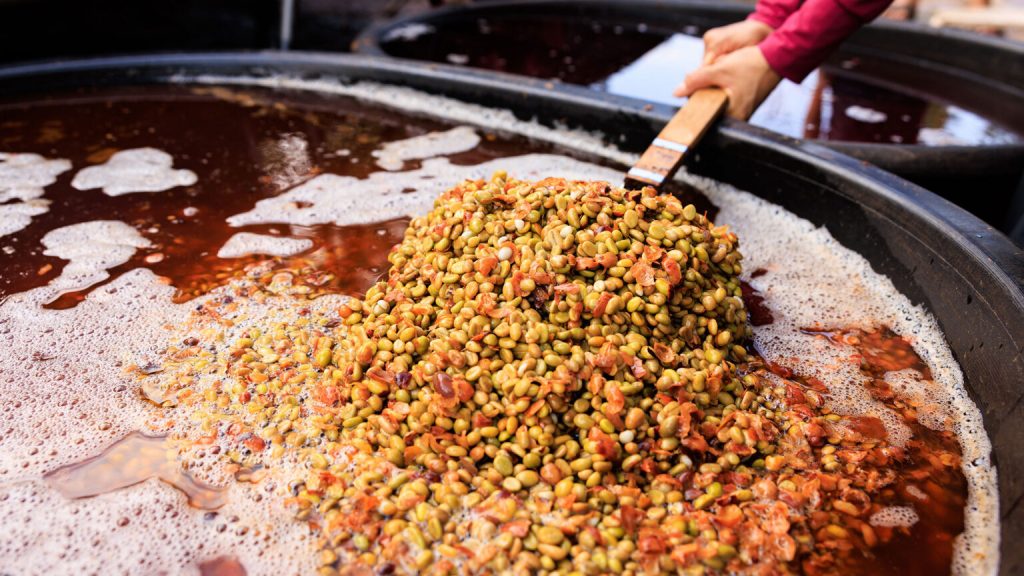
In washed processing, the fruit is removed early in the process. After pulping, the beans are fermented in water to break down remaining mucilage, then thoroughly washed before drying.
This method emphasises:
- Clean flavours
- Bright acidity
- Clear origin character
Washed coffees are often described as transparent, allowing the terroir — soil, altitude, and variety — to shine through.
Typical flavour profile
- Citrus
- Floral
- Tea-like
- Crisp acidity
Read more: Washed Coffee Processing Explained
Natural / Dry Processing
Sweetness and intensity
Natural processing leaves the bean inside the whole cherry while it dries. During this time, sugars and fruit compounds migrate into the seed.
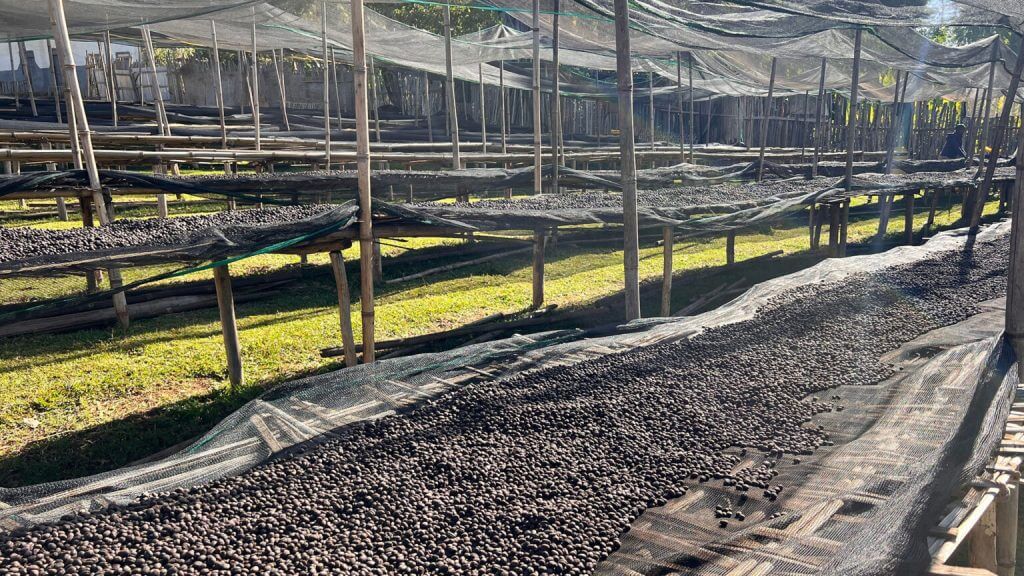
This is the oldest known processing method and remains common in regions with dry climates.
Natural coffees are often:
- Fruit-forward
- Heavier-bodied
- Lower in perceived acidity
Typical flavour profile
- Berry
- Chocolate
- Wine-like
- Jammy sweetness
Read more: Natural Coffee Processing Explained
Honey / Pulped Natural Processing
Balance and texture
Honey processing sits between washed and natural methods. The cherry skin is removed, but some or all of the sticky mucilage is left on the bean during drying.
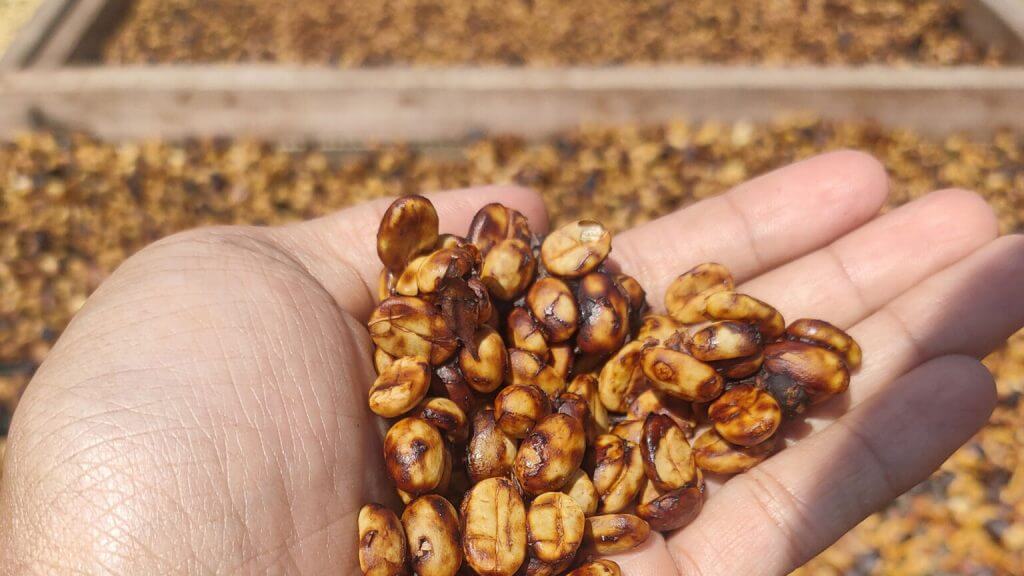
The amount of mucilage retained influences sweetness and body, resulting in variations often described as:
- Yellow honey
- Red honey
- Black honey
This method balances clarity with sweetness.
Typical flavour profile
- Caramel
- Stone fruit
- Rounded acidity
- Smooth mouthfeel
Read more: Honey Process Coffee Explained
Regional Processing Adaptations
Processing methods also evolve in response to climate.
Wet-Hulled Processing (Giling Basah)
Developed in humid regions where traditional drying is difficult, wet-hulling removes the parchment layer early, while the beans are still moist.
This creates a distinctive cup profile associated with Indonesian coffees.
Typical flavour profile
- Earthy
- Herbal
- Low acidity
- Heavy body
Read more: Wet-Hulled Coffee Processing Explained
Modern & Experimental Processing
As specialty coffee has matured, producers have begun to experiment with controlled fermentation to create new flavour expressions.
These methods do not replace traditional processing — they build on it.
Anaerobic Fermentation
Beans are fermented in sealed, oxygen-free environments, allowing producers to control microbial activity more precisely.
Results can be striking and expressive.
Typical flavour profile
- Tropical fruit
- Spice
- Fermented sweetness
- High aromatic intensity
Read more: Anaerobic Coffee Fermentation Explained
Carbonic Maceration
Borrowed from winemaking, this method uses carbon dioxide to trigger intracellular fermentation within the cherry.
Often used for competition coffees and microlots.
Typical flavour profile
- Candy-like fruit
- Floral aromatics
- Silky texture
Read more: Carbonic Maceration in Coffee Explained
How Processing Affects the Final Cup
| Processing Method | Acidity | Body | Sweetness | Clarity |
|---|---|---|---|---|
| Washed | High | Light | Medium | Very High |
| Natural | Low | Heavy | High | Low |
| Honey | Medium | Medium | High | Medium |
| Wet-Hulled | Low | Heavy | Low | Low |
| Anaerobic | Variable | Medium | Very High | Medium |
Processing does not determine quality on its own — execution matters more than method. A well-processed natural coffee can be cleaner than a poorly processed washed one.
Processing as Part of the Bigger Picture
Processing is one stage in a longer journey that includes:
- Cultivation
- Harvesting
- Drying
- Milling
- Roasting
- Brewing
Understanding processing helps explain why coffees taste the way they do — and why certain brewing methods suit certain coffees better than others.
Explore Each Method in Detail
Each processing method has its own history, challenges, and flavour logic.
Use the links above to explore each method in depth and understand how producers shape coffee character from the moment the cherry is picked.