

What is the botanical taxonomy and historical origin of the Excelsa coffee bean?
Excelsa coffee—botanically classified as Coffea liberica var. dewevrei—occupies a unique intersection in coffee genetics.
While once categorised as an independent species, modern plant genetics reclassified Excelsa as a distinct botanical variety of the larger Coffea Liberica family.
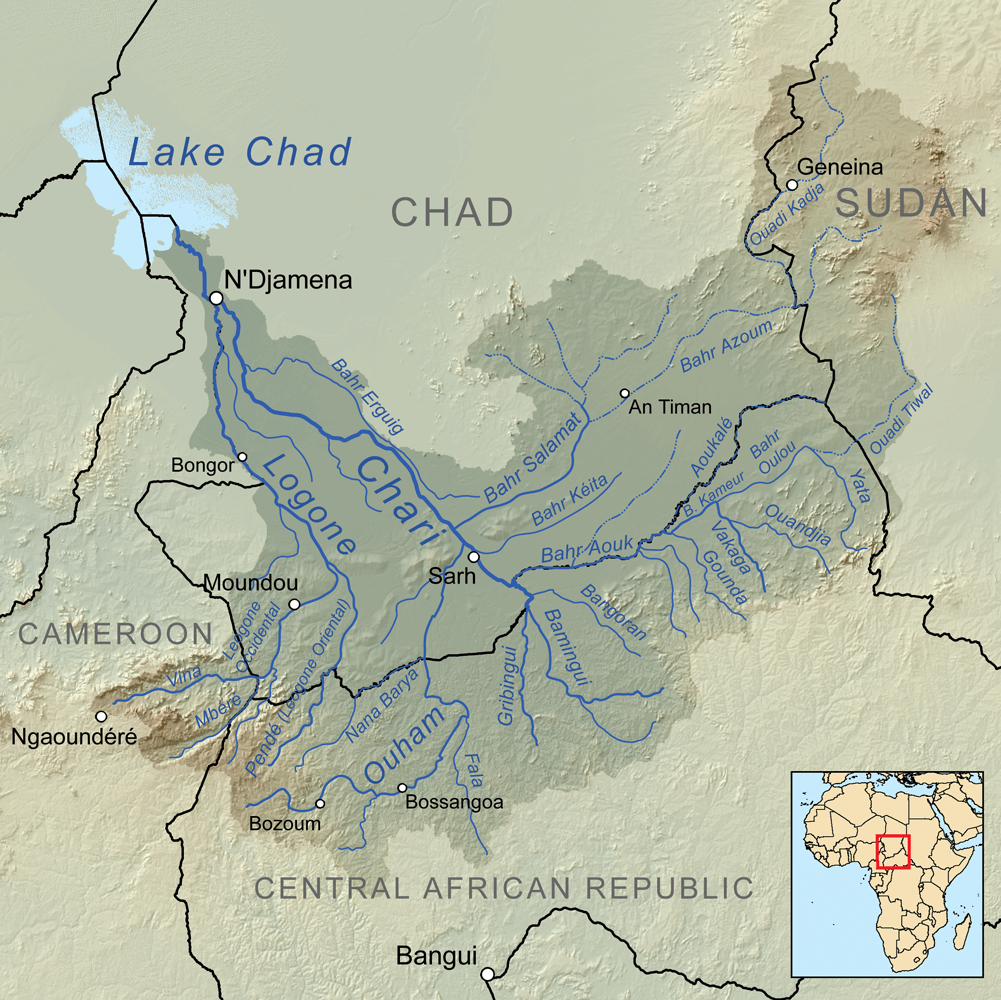
Sourcing records compiled by The Coffee Guide confirm that the bean originally grew wild in the early 20th century within the semi-arid ecosystems surrounding Lake Chad in Central Africa.
The variety was subsequently introduced to Southeast Asian agricultural systems during periods when global coffee producers required hardier, pest-resistant alternatives to fragile Arabica crops. [1, 2, 3, 4, 5]
“To see how this rare variety compares to the world’s dominant crops, read our comprehensive overview of The Four Primary Coffee Bean Species.”
What are the specific agricultural growing conditions and physical traits of Excelsa?
Unlike Arabica or Robusta, the Excelsa coffee tree features a towering, high-canopy growth structure that thrives in harsh environments.
Moreover, metrics from The Coffee Guide show the plant requires four specific conditions to flourish: [1, 2, 3, 4].
- Climate Tolerance: Adapts exceptionally well to marginal, drought-prone, or semi-arid environments that feature irregular seasonal rainfall.[1, 2]
- Shade Canopy: Prefers growing underneath taller, protective forest canopies within warm, tropical climates.
- Seed Morphology: Produces highly asymmetric, elongated, and pointed teardrop-shaped beans that possess high aromatic chemical potential even prior to roasting.[1, 2]
- Climate Resilience: Maintains high genetic biodiversity and resistance to environmental stress.
This makes it a critical crop for regions facing severe climate-induced weather shifts. [1, 2, 3]
What does Excelsa coffee taste like compared to Liberica and Arabica?
The flavor identity of an Excelsa extraction provides an unexpected sensory bridge.
It bridges the sharp acidity of high-grown Arabicas and the deep musk of standard Liberica beans.
Liberica yields a bold, smoky, and wood-forward profile.
Testing logs from The Coffee Guide verify that Excelsa delivers a bright, tart, and highly layered cup.
The standard flavor matrix presents explicit tasting notes of tamarind, dark berries, and a juicy, wine-like complexity.
It is rounded out by floral-to-spicy aromatics. It features a light-to-medium body and a clean, lingering finish. [1, 2, 3]
What is the commercial and blending role of Excelsa coffee in the modern market?
Excelsa represents only a tiny fraction of global coffee production.
It acts primarily as a high-utility blending asset and an experimental speciality offering.
In major Southeast Asian coffee economies like the Philippines and Vietnam, farmers cultivate Excelsa alongside Liberica .
This incorporates the beans into traditional regional blends that demand a distinct, fruit-driven depth.
Roasters in western third-wave markets increasingly deploy Excelsa to add vibrant, complex acidity to Robusta or Arabica batches.
It is progressively gaining a dedicated global following as a standalone, single-origin curiosity. [1, 2, 3, 4, 5]

Point to Note
Although Excelsa was once classified as its own species (Coffea excelsa), it is now recognised as Coffea liberica var. dewevrei, making it a botanical variety of Liberica rather than a separate species.
Further Reading
Compare with Liberica
Return to Coffee Species Overview